

16:9
Editorial headshots for print
Lit for the page, not the profile picture.

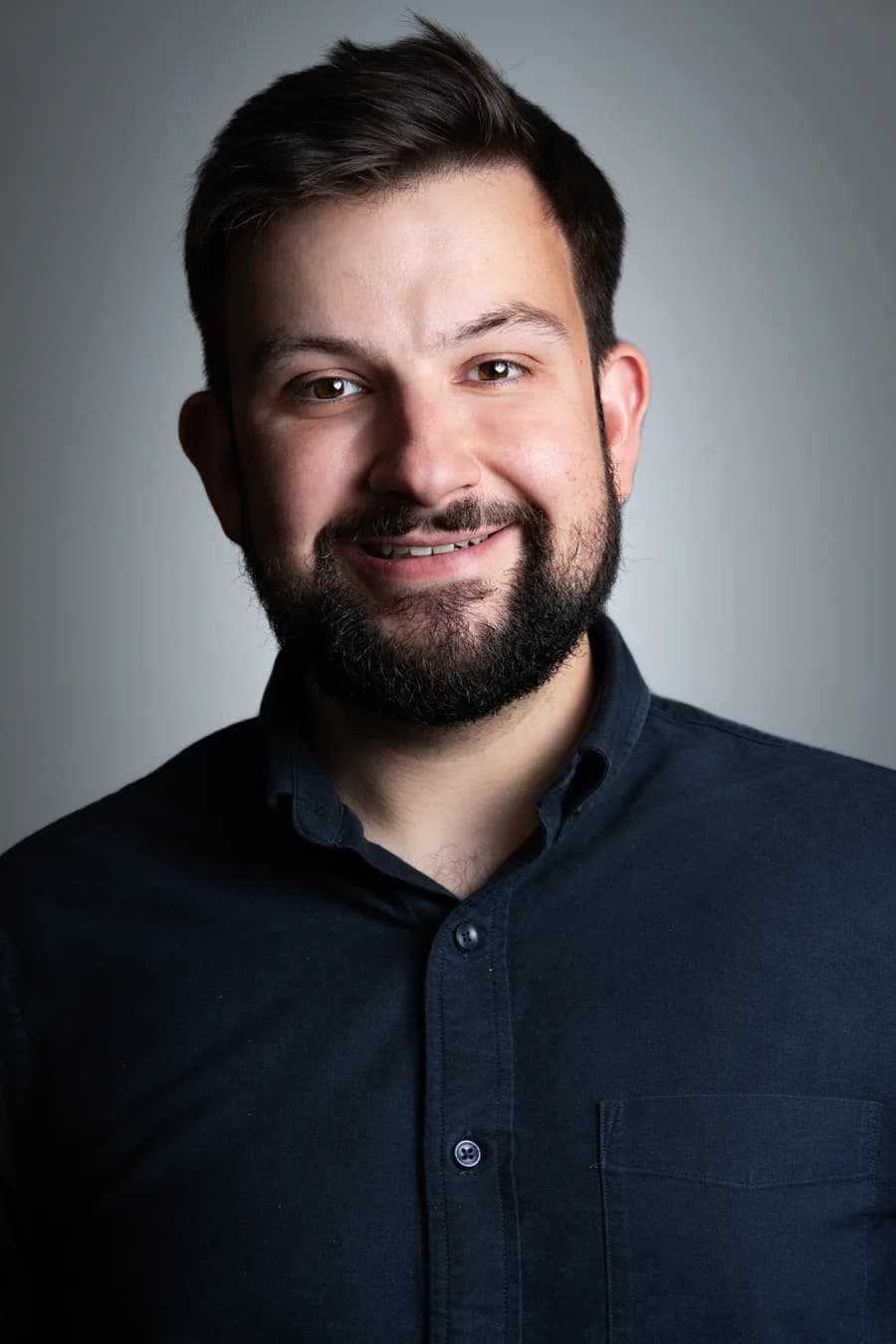
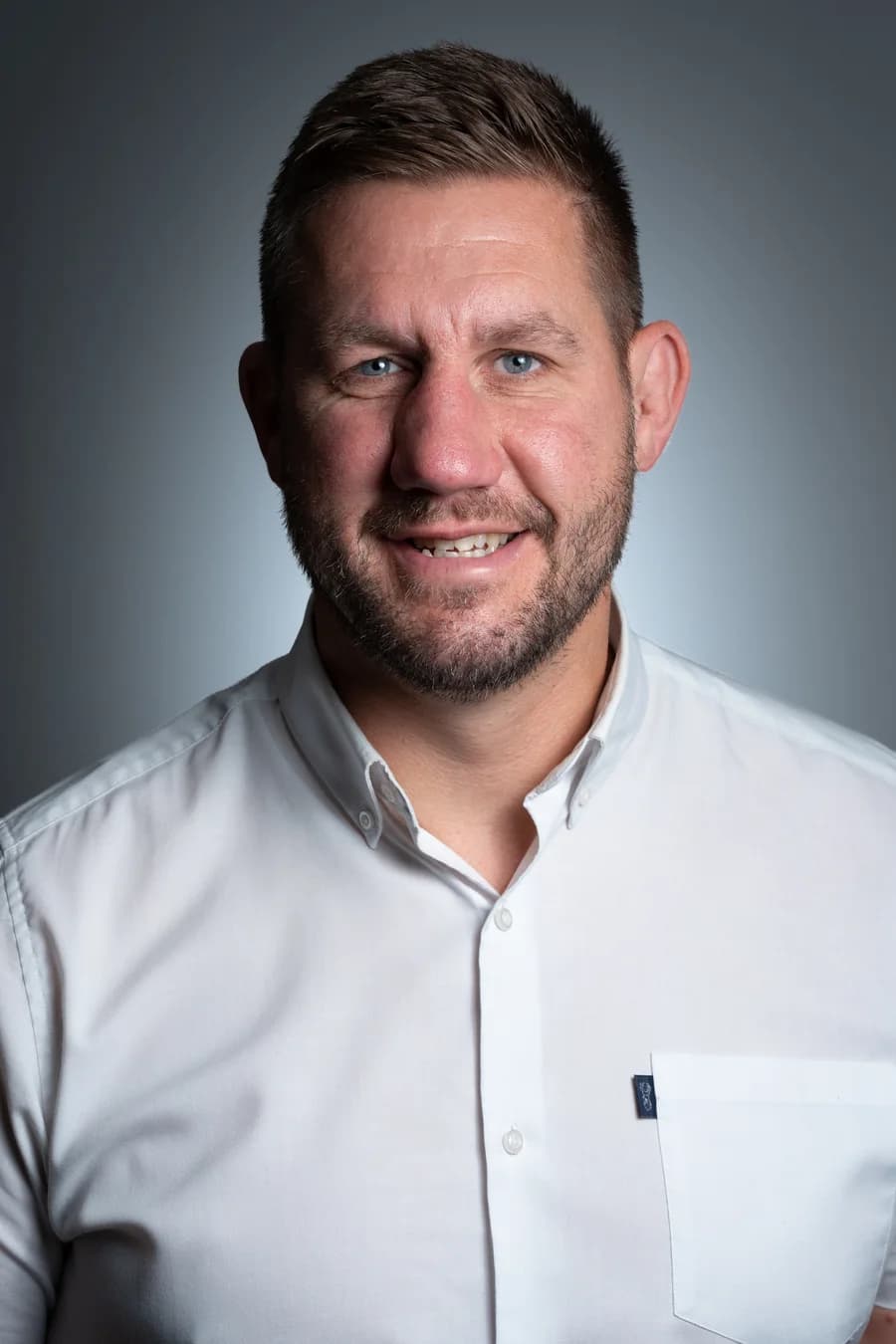
3 frames, one setup, one light, shot at print resolution
The brief
CityRise needed portraits of the team for print brochures, an investor deck and the website. What existed was what exists in most companies: a mix of phone photographs taken at different times, in different rooms, by different people, cropped out of group shots. Fine for a messaging app. Not fine next to a six-figure investment proposition.
Shoot the whole team in one session against one lighting setup, composed for print first. Editorial rather than corporate: shot to sit on a page with type around it, not to be a circle on a profile. One recipe applied to everybody, so the set works as a set, which is the thing a phone can never produce however good the phone is.
What we made
A photograph of a person is a statement about the company.
Nobody looks at a headshot and thinks about photography. They form a view about the business and attribute it to something else, usually the specification or the price. A portrait lit in an afternoon window with a phone reads as a company that improvises. That is rarely true and it is expensive, because the reader cannot separate how you present yourself from how you operate, and they are not going to try.
The difference is the light, and it is not subtle.
A phone in a room takes whatever light is there, which is usually overhead and unflattering, and then applies smoothing and sharpening to compensate. The result looks acceptable at thumbnail size on a screen and falls apart everywhere else. Controlled light does the opposite. It shapes a face, separates the subject from the background, holds detail in the shadows and gives a printer something to work with. You do not need to know any of that to see which is which.
One recipe, or it is not a set.
The failure most companies actually have is not quality, it is inconsistency. Six people photographed six ways on one page reads as six different companies, and no amount of retouching fixes it afterwards. Everyone here was shot on the same setup in the same session, so the portraits sit next to each other on a brochure spread without any of them looking like the odd one out. That is why the tile on this site shows all three at once rather than one at a time. The consistency is the argument, and stepping through them would hide it.
Shot once, used everywhere, for years.
A phone photograph has one use. It is low resolution, shot in whatever aspect the phone was held in, with no room around the subject, so it cannot be cropped square for a profile and vertical for a banner and wide for a brochure. A properly shot frame can, because it was composed with that in mind and delivered at a size that survives being printed. These run across the brochures, the deck, the website and the press requests that arrive later, which is where the cost per use quietly collapses.
It also answers a question buyers are actually asking.
Anyone weighing a significant commitment looks up the people behind the business. Finding no faces is a data point, and not a good one. Finding faces that look considered says a company that takes its own presentation seriously, which is the closest thing to evidence a stranger has before they meet you.
Detail
Delivered
- One studio session, full team
- Consistent lighting setup across every portrait
- Retouching to print standard
- Print, web and social crops from each frame
- Full-resolution masters, licensed for all use
Outcome
The portraits run across CityRise's print brochures, investor material and website.